Utah Valley watershed pet waste is a growing problem that many dog owners don’t realize they’re contributing to — especially when rain washes waste into storm drains. Proper management of Utah Valley watershed pet waste is essential for protecting our waterways.
UTAH COUNTY — A growing body of research is sounding the alarm about an unlikely environmental threat lurking on our trails, parks, and backyards: dog poop. According to the Environmental Protection Agency, pet waste has become the third largest contributor to water pollution in the United States, and Utah’s pristine watersheds are increasingly at risk.
Addressing Utah Valley watershed pet waste is crucial for maintaining the health of our environment.
The statistics are staggering. With over 77 million dogs living in American households — each producing an average of ¾ pound of waste daily — the nation generates approximately 10 million tons of dog waste every year. That’s enough to fill 267,500 tractor-trailers stretching 3,800 miles from Boston to Seattle.
Each year, Utah Valley watershed pet waste significantly contributes to the pollution of our waters.
But the real danger isn’t the volume — it’s what’s inside.
The Hidden Dangers in Every Pile
A single gram of dog waste contains an average of 23 million fecal coliform bacteria — twice the amount found in human feces. This microscopic army includes dangerous pathogens like E. coli, Salmonella, Giardia, Cryptosporidium, and parasitic worms that can survive in soil for years.
“Dog feces are crawling with bacteria,” reports the Gallatin River Task Force. “Dogs produce about ten times more fecal coliform per pound than cows. What’s more, dog waste carries 65 diseases that can be transmitted to humans.”
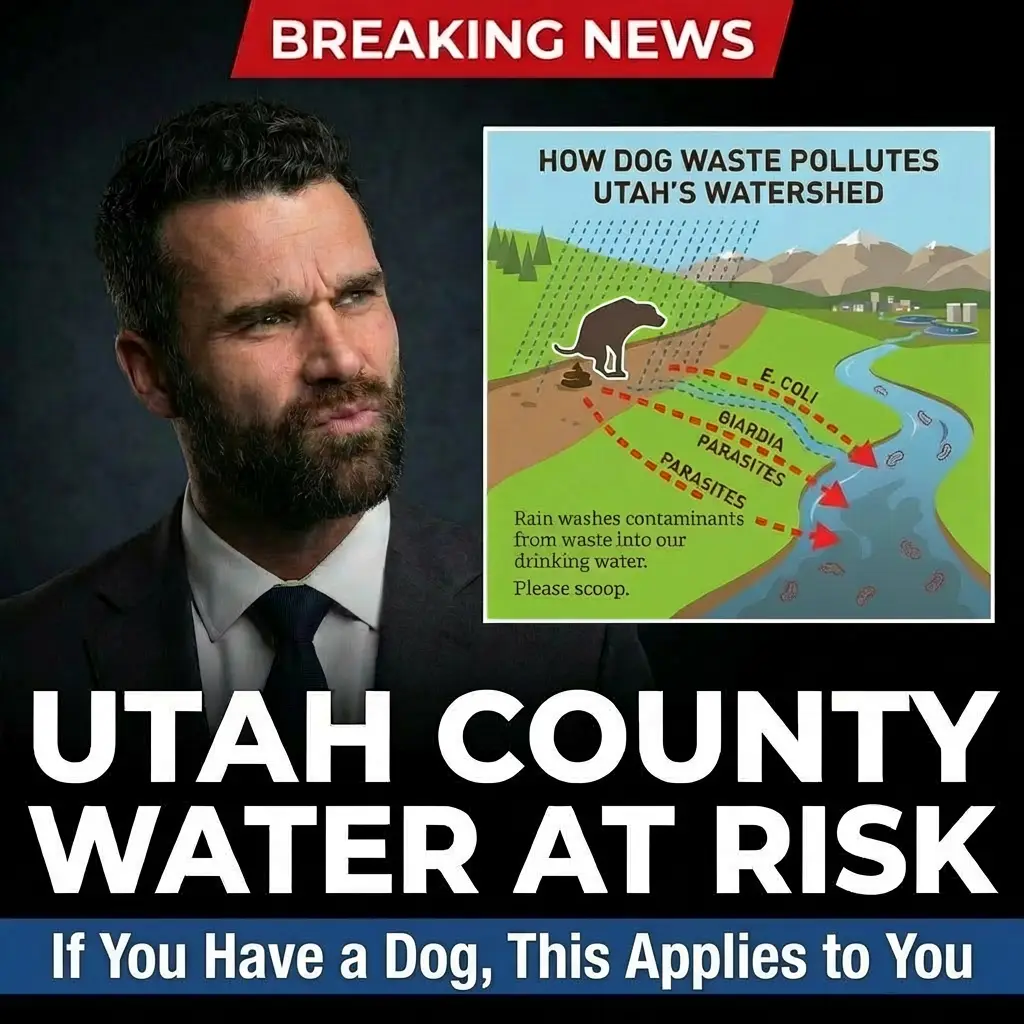
When rain falls on unscooped waste, these contaminants wash directly into storm drains — and unlike sewage, stormwater receives zero treatment. It flows straight into Utah’s rivers, streams, lakes, and groundwater, the same sources many communities depend on for drinking water.
Understanding the implications of Utah Valley watershed pet waste can lead to better environmental practices.
Utah’s Watershed Under Threat
Understanding the Impact of Utah Valley Watershed Pet Waste
The problem is particularly acute in Utah, where popular hiking trails wind through sensitive watershed areas. According to the Salt Lake County Watershed Planning and Restoration, four out of ten U.S. households have at least one dog — and 40% of those dog owners don’t clean up after their pets.
Awareness of Utah Valley watershed pet waste is key to reducing its negative impact on our waterways.
Recent studies have found alarming results:
Many studies highlight the importance of addressing Utah Valley watershed pet waste.
- 20-30% of bacteria in urban water samples can be traced directly to dog waste
- In some areas, nearly 90% of water bacteria stemmed from dog pollution
- DNA testing in Seattle identified dogs as the source of over 20% of bacteria found in local waterways
The EPA estimates that just 2-3 days’ worth of waste from only 100 dogs can contribute enough bacteria to temporarily close a bay and all watershed areas within 25 miles to swimming and shellfishing.
Health Risks for Families and Communities
The contamination doesn’t just affect water quality — it poses direct health risks to Utah families. According to the Centers for Disease Control, pet waste can transmit numerous diseases to humans, with children being especially vulnerable.
Diseases and parasites transmitted through pet waste include:
By managing Utah Valley watershed pet waste, we can reduce the transmission of diseases.
- Campylobacteriosis — A bacterial infection causing severe diarrhea; can be life-threatening for infants, elderly, and immunocompromised individuals
- Cryptosporidium — A parasitic infection causing stomach cramps, nausea, and dehydration; potentially fatal for those with weakened immune systems
- Toxocariasis (Roundworms) — Can cause vision loss, rash, fever, and cough; 14% of Americans test positive for these parasites
- Giardiasis — Parasitic infection causing severe gastrointestinal distress
- E. coli and Salmonella — Bacterial infections affecting the digestive system
- Hookworms — Parasites that can burrow through bare skin on contact with contaminated soil
Pet waste left in yards can also contaminate home gardens and play areas where children spend time, creating exposure risks beyond waterways.
Promptly cleaning up Utah Valley watershed pet waste can protect local ecosystems.
Why Dog Waste Is Different from Wildlife
Some argue that wildlife waste is natural, so why worry about dogs? The answer lies in diet.
Wild animals like bears and elk eat natural foods and actually benefit ecosystems — their waste returns nutrients to soil and spreads seeds. One Colorado study found seeds are more likely to germinate after passing through a bear’s digestive system.
Dogs, however, eat nutrient-rich processed foods produced in factories. When excreted, this waste unbalances natural systems by adding excessive nitrogen and phosphorus, which can trigger harmful algae blooms in waterways. Combined with the concentrated bacteria load, dog waste acts more like a pollutant than a natural fertilizer.
It’s essential to recognize how Utah Valley watershed pet waste affects our environment.
“Never use pet waste in your garden or compost,” warns Springville City’s stormwater education program. “It is not a natural fertilizer.”
What You Can Do
Everyone can play a role in managing Utah Valley watershed pet waste.
The solution is remarkably simple: Scoop. Bag. Trash. Every single time.
Utah officials and environmental experts recommend:
- Always bring bags when walking your dog — carry extras to share
- Scoop every time — no exceptions, whether on trails or in your own yard
- Seal bags properly and dispose in designated trash receptacles
- Clean your yard weekly — backyard waste washes into waterways too
- Keep dogs on leash on trails to make cleanup easier
- Never flush or compost pet waste — it requires special treatment
The Salt Lake Ranger District has installed dog bag dispensers and trash cans at popular trailheads, but the responsibility ultimately falls on pet owners.
Keeping Up With Yard Cleanup Is Harder Than You Think
Recognizing the challenges of managing Utah Valley watershed pet waste is important for homeowners.
Let’s be honest — life gets busy. Between work, family, and everything else on your plate, scooping the backyard every day isn’t always realistic. But the waste doesn’t stop piling up. And every rainstorm washes those bacteria and parasites closer to your family, your garden, and Utah’s water supply.
That’s where professional pet waste removal services come in.
More and more Utah homeowners are discovering the convenience of scheduled pet waste cleanup. Instead of dreading the weekend yard patrol or letting waste accumulate for weeks, you can have a professional team handle it for you — keeping your yard clean, your family safe, and Utah’s watersheds protected.
Utilizing services for Utah Valley watershed pet waste cleanup ensures a healthier environment.
Why Homeowners Are Making the Switch
✅ Save Time — Reclaim your weekends. No more gloves, bags, and hunting through the grass.
✅ Protect Your Family — Regular removal eliminates the bacteria, parasites, and odors that build up in your yard.
✅ Safeguard Your Lawn — Dog waste kills grass and creates unsightly brown spots. Consistent cleanup keeps your yard looking its best.
✅ Do Your Part for Utah — Professional services ensure proper disposal, reducing contamination that reaches our waterways.
✅ Affordable & Hassle-Free — Most services cost less than you’d think, with flexible weekly or bi-weekly plans.
Ready to Take the Mess Off Your Plate?
Taking action against Utah Valley watershed pet waste can make a significant difference.
You love your dog. You care about Utah’s environment. But you don’t have to handle the dirty work alone.
[Contact us today for a free quote →] and see how easy it is to keep your yard spotless while protecting the water we all depend on.
Join the effort to manage Utah Valley watershed pet waste for cleaner waterways.
Your dog’s waste is your responsibility — but it doesn’t have to be your headache.
References & Resources
Educating ourselves about Utah Valley watershed pet waste is crucial for future generations.
Utah-Specific Resources:
Take pride in your role in managing Utah Valley watershed pet waste.
National Research & Statistics:
The fight against pollution begins with managing Utah Valley watershed pet waste.
- DoodyCalls: EPA Says Dog Poop is an Environmental Hazard
- Gallatin River Task Force: The Inside Scoop on Dog Poop
- National Park Service: Cleaning Up After Pets — Chattahoochee River
- University of Maryland: The Impact of Pet Waste on Water Quality (PDF)
- Snohomish County: Preventing Pollution from Pet Waste
- CDC: Zoonotic Hookworms